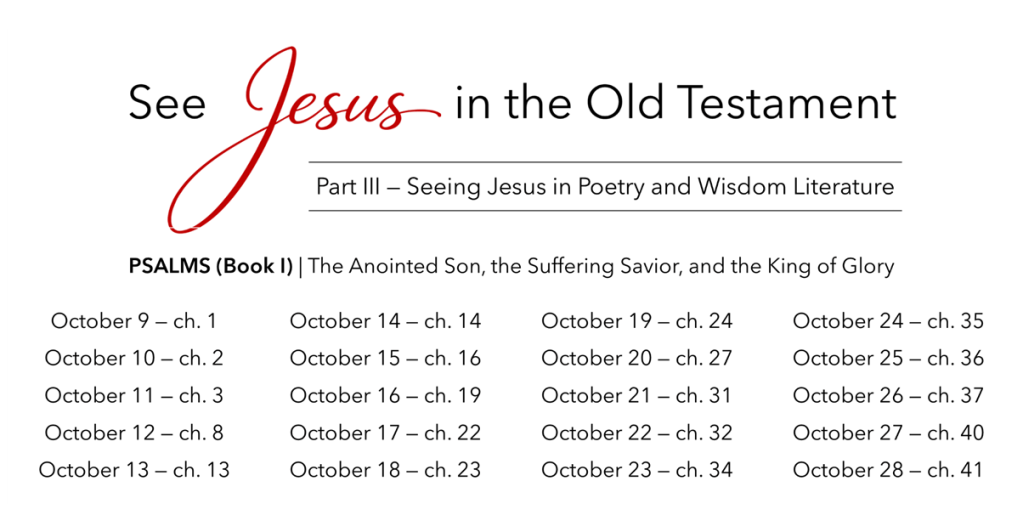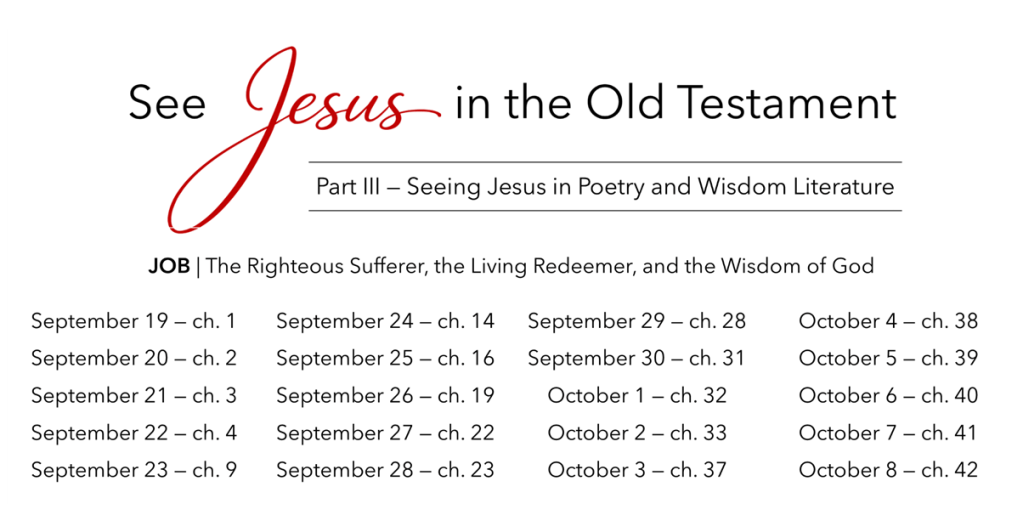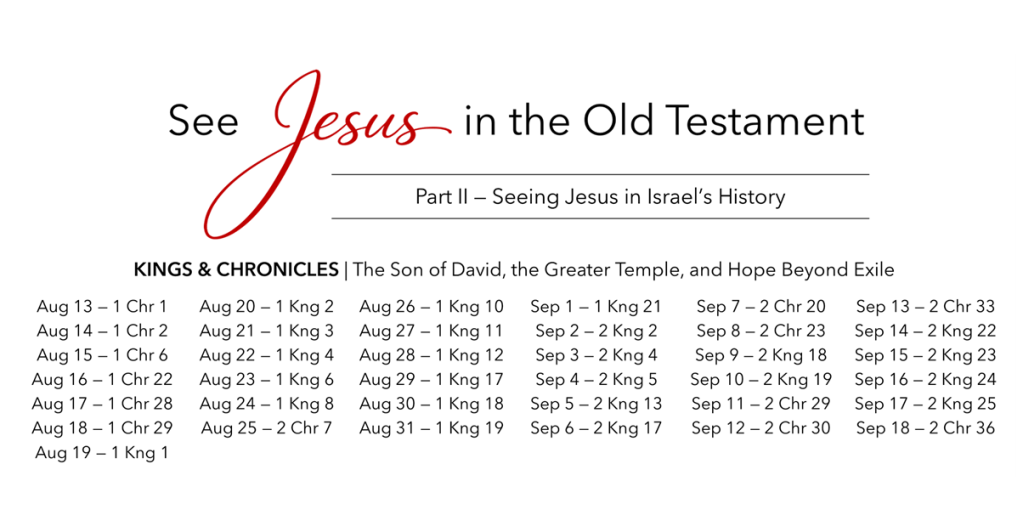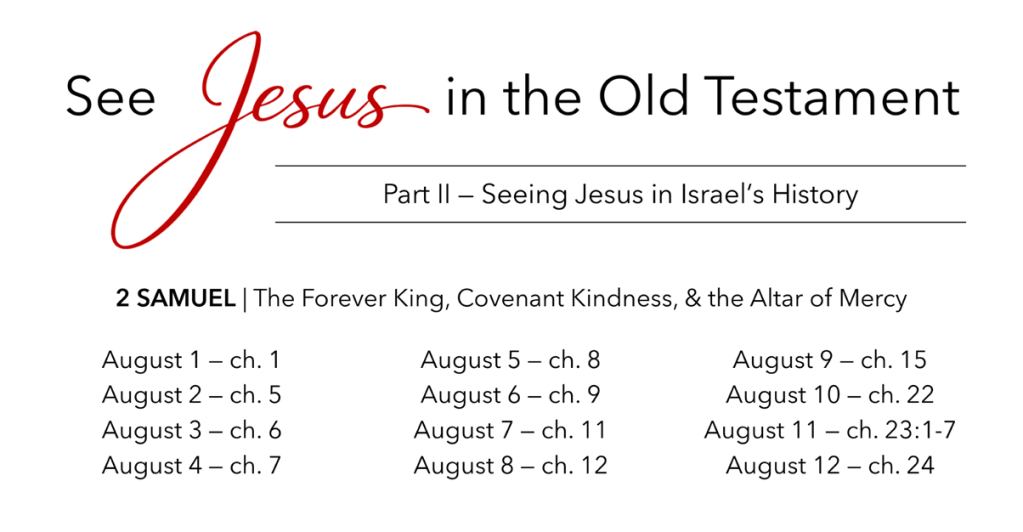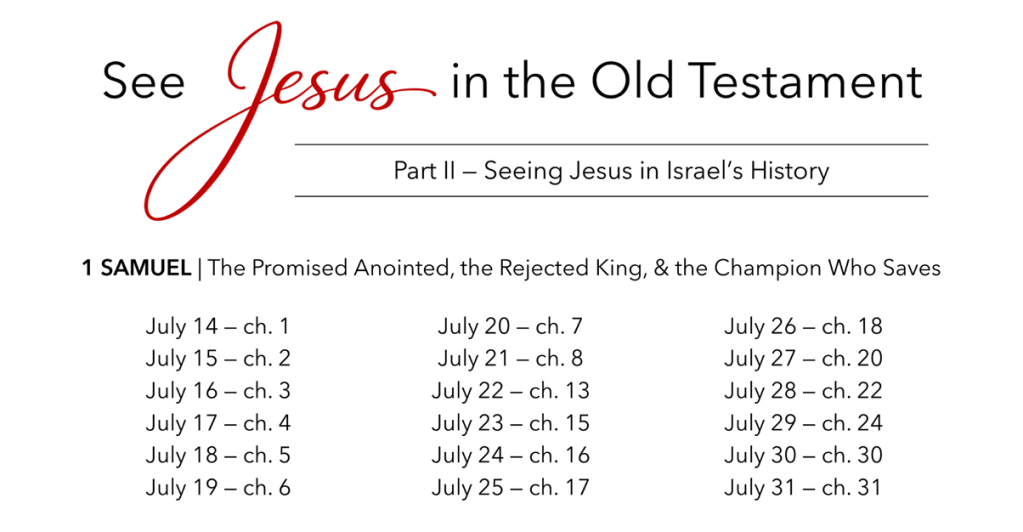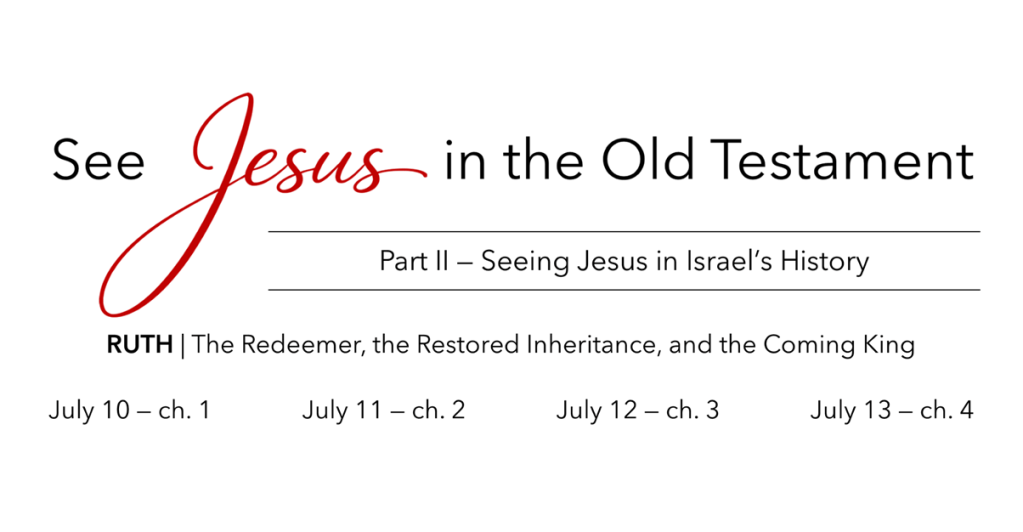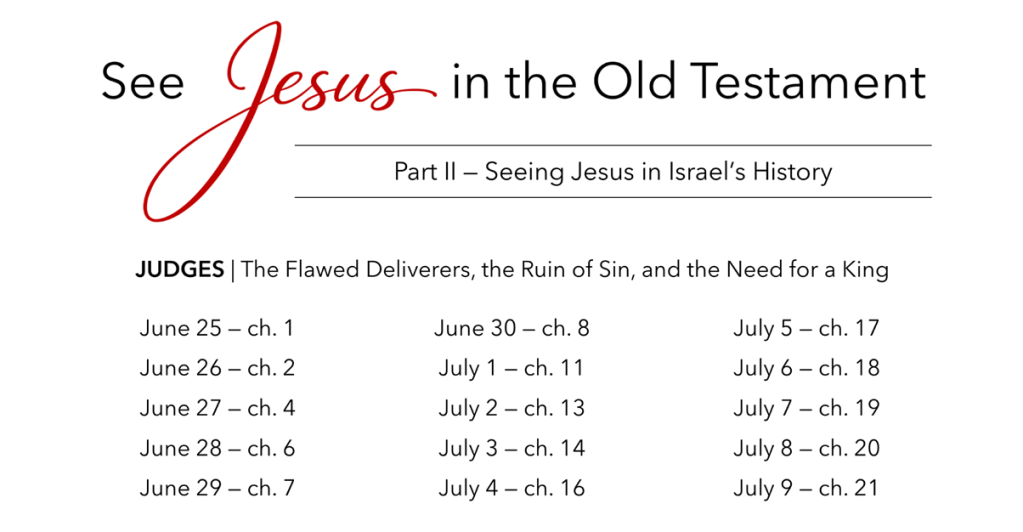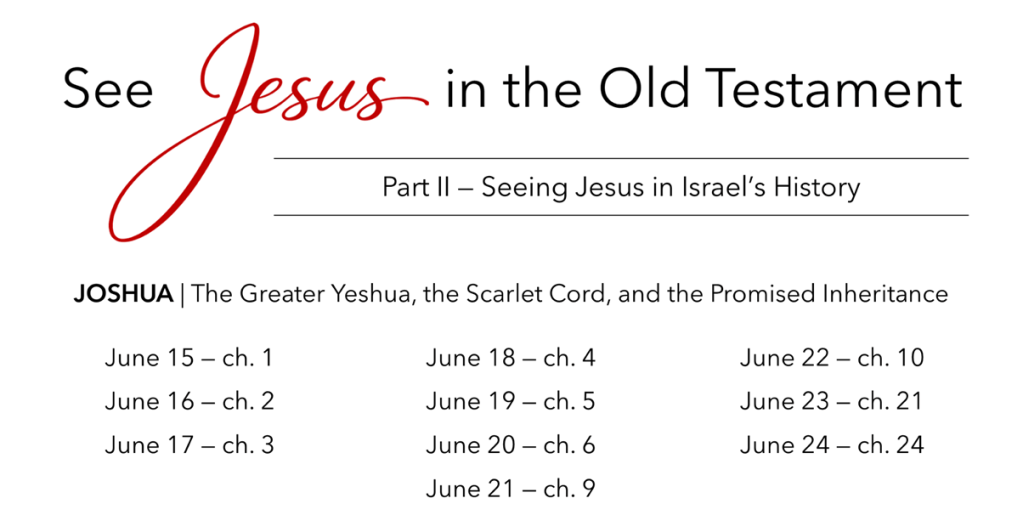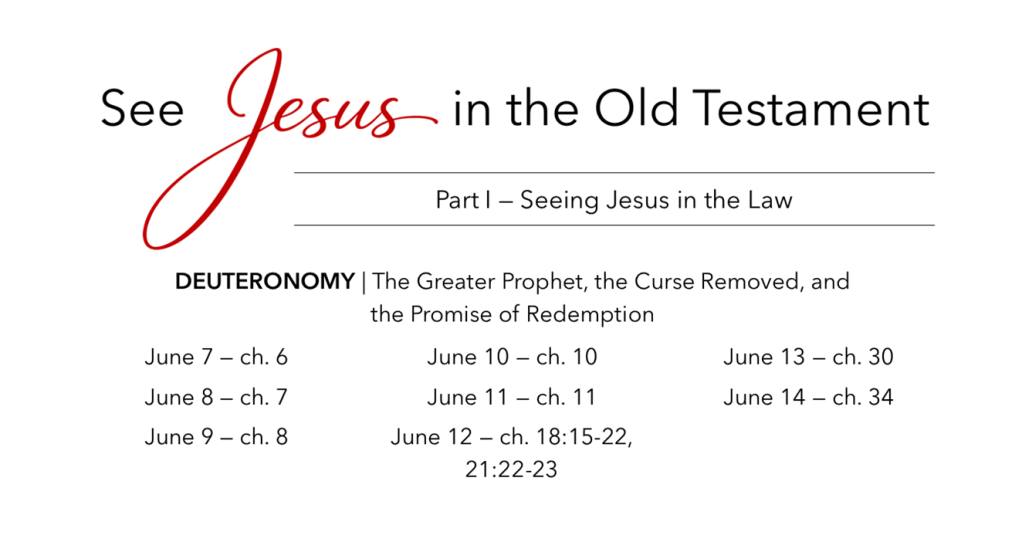
See JESUS in the Old Testament — Deuteronomy

The Greater Prophet, the Curse Removed, and
the Promise of Redemption

Deuteronomy records Moses’s final sermons to Israel as they stand on the edge of the Promised Land. Looking back over their history, Moses repeatedly reminds them of God’s faithfulness despite their sin and many failures and calls them to love the Lord with all their heart, soul, and strength (ch. 6:4-5). This book serves as both the conclusion of the Pentateuch (refers to first five books of the Bible, literally means “five scrolls”) and the bridge to the books that follow, urging the new generation not to repeat the unbelief of their forefathers. Yet Deuteronomy also recognizes a deeper issue: God’s people need more than laws written on stone — they need new hearts, transformed by God’s grace.

This longing finds its fulfillment in Jesus. Moses promises that God will raise up a Prophet, one whom the people must hear and obey (ch. 18:15-19). The NT identifies Jesus as that greater Prophet (Acts 3:22-23). Deuteronomy also points forward to the cross when it declares that a man hung on a tree is under God’s curse (ch. 21:22-23), a passage the apostle Paul applies directly to Jesus, who became a curse for us so that we might be redeemed (Galatians 3:13). Finally, Deuteronomy anticipates a day when God will circumcise the hearts of His people (ch. 30:6), a promise fulfilled through the new covenant established by Jesus and applied by His Spirit (Jeremiah 31:31-34, Ezekiel 36:24-28).

While only selected chapters are included, these readings have been carefully chosen to highlight the greater Prophet, the curse removed, and the promise of redemption. You’ll see God’s call to wholehearted love and obedience (ch. 6-11), the promise of the coming Prophet (ch. 18:15-22), the shadow of the curse that Jesus would bear (ch. 21:22-23), and the hope of redeption through a heart transformed by Jesus (ch. 30). The book concludes with Moses’s death (ch. 34), reminding us that even Israel’s greatest leader could not ultimately save God’s people himself. Deuteronomy leaves us looking for One greater than Moses — and in Jesus, the long-awaited Prophet, Redeemer, and Savior, we’ve found Him.


Let’s dive in together and see Jesus in Numbers!

  • June 7 — ch. 6
    God commands His people to love Him with all their heart, soul, and might, revealing their need for a transformed heart.
  • June 8 — ch. 7
    God sets His love on His people and chooses them, not because of them but out of His steadfast covenantal love, best demonstrated in Christ.
  • June 9 — ch. 8
    God humbles and provides for His people, revealing their need for the heart change He must provide.
  • June 10 — ch. 10
    God calls His people to circumcise their hearts, revealing the need for the curse of sin to be removed.
  • June 11 — ch. 11
    God sets before His people both blessing and curse, revealing the need for the curse to be removed.
  • June 12 — ch. 18:15-22, 21:22-23
    God promises a greater Prophet and reveals the curse, pointing to Jesus who is the Word of God and bears the curse for our sin.
  • June 13 — ch. 30
    God promises to restore His people and change their hearts so that they may truly love and obey Him.
  • June 14 — ch. 34
    God buries Moses, and His people are left waiting for a prophet like Him. There’s good news: Jesus is greater than Moses!


Continue in the See JESUS in the Old Testament readings as we begin Part II — Seeing Jesus in Israel’s History!


See JESUS in the Old Testament — Numbers

The Faithful Guide, Salvation Lifted, and
the Promised King

Numbers follows Israel’s journey from Mt. Sinai to the edge of the Promised Land, revealing both God’s faithfulness and His people’s repeated unbelief. Though God visibly guides Israel by His present and remains faithful to His covenant promises, the people continually grumble, rebel, and refuse to trust Him (ch. 9:15-23; 13-14). Their unbelief delays their entrance into the land and brings God’s judgment upon an entire generation. Yet even in the wilderness, God doesn’t abandon them. He instead preserves them, provides for them, and continues leading them to the inheritance promised to Abraham, Isaac, and Jacob.

This book points to Jesus in several remarkable ways. The LORD’s faithful guidance of Israel anticipates Jesus, the Good Shepherd who leads HIs people through the wilderness of this world (John 10:11-18). When God instructs Moses to lift up the bronze serpent so that those who look upon it may live (ch. 21:4-9), Jesus declares that this event forshadowed His own crucifixion: “As Moses lifted up the servant in the wilderness, so must the Son of Man be lifted up” (John 3:14-15). Numbers also contains one of the clearest messianic promises in the Law when Balaam foretells that “a star shall come out of Jacob, and a scepter shall rise out of Israel” (ch. 24:17), pointing forward to the coming King who will reign over God’s people.

While not every chapter of Numbers is included, these readings have been carefully selected to highlight the faithful guide, salvation lifted, and the promised King. You’ll see God’s presence leading His people (ch. 9), Israel’s tragic unbelief at the border of Canaan (ch. 13-14), God’s provision of salvation through the bronze serpent (ch. 21), His sovereign blessing through Balaam’s prophecies despite his attempts to curse Israel (ch. 22-24), and the commissioning of Joshua as Israel prepares to enter the land (ch. 27:12-23). Together, these passages remind us that God remains faithful even when His people fail, that salvation comes through looking in faith to His provision, and that all of God’s promises ultimately find their fulfillment in Jesus Christ, the greater Joshua and the promised King!


Let’s dive in together and see Jesus in Numbers!

  • May 29 — ch. 9
    God calls His people to keep the Passover and faithfully guides them by His presence, pointing to Jesus, our Passover Lamb and Savior.
  • May 30 — ch. 13
    God’s people see the promised land but doubt God’s promise, responding in fear instead of faith.
  • May 31 — ch. 14
    God’s people rebel against Him, but through Moses’s intercession God shows mercy even as He brings judgment.
  • June 1 — ch. 21
    God provides salvation from judgment through the lifted serpent, pointing to Jesus who was lifted so that whoever believes may have eternal life.
  • June 2 — ch. 22
    God shows that His Word stands and His people cannot be cursed because He alone determines blessing and judgment.
  • June 3 — ch. 23
    God declares His unchanging Word, showing that He does not lie and His blessing cannot be revoked.
  • June 4 — ch. 24
    God reveals the coming King from Jacob, a star and scepter who will rule and reign over all.
  • June 5 — ch. 25
    God judges His people’s sin, but atonement through a faithful priest turns away His wrath, pointing to Jesus, the high priest of a greater atonement.
  • June 6 — ch. 27:12-23
    God appoints Joshua to lead His people after Moses so they are not without a shepherd, pointing to Jesus who is greater than Moses or Joshua.


Continue in the See JESUS in the Old Testament readings as we begin Deuteronomy!


See JESUS in the Old Testament — Leviticus

The Sacrifice for Sin, the Call to Holiness, and
the Hope of Atonement

Leviticus picks up right where Exodus leaves off, with God’s glory dwelling among His people in the tabernacle (Exodus 40:34-35, ch. 1:1). This raises a crucial question: how can a sinful people live in the presence of holy God? Leviticus answers by giving instructions for sacrifice, worship, and daily life, showing that sin must be dealt with and that God’s people are called to be holy as He is holy (ch. 17:11, 19:2). Through these laws, God graciously provides a way for Israel to approach Him, remain in fellowship with Him, and live as His set-apart people.

These sacrifices and rituals point beyond themselves to Jesus Christ. The offerings in Leviticus show that atonement requires the shedding of blood (ch. 17:11), but they had to be repeated again and again. Jesus fulfills this as the once-for-all sacrifice for sin (Hebrews 9:11-14, 10:1-14), making a way for full and final forgiveness. He is both the perfect sacrifice and the true High Priest, and through Him we are made clean and brought near to God. The call to holiness in Leviticus is also fulfilled in Jesus, who makes His people holy and calls them to live in that holiness (1 Peter 1:15-16).

While only a few chapters are selected, these readings have been carefully chosen to reflect the heart of Leviticus as we see it point to Jesus. You’ll see the necessity of sacrifice (ch. 1), the depth of atonement and the role of blood (ch. 16, 17:11), the call to live as God’s holy people (ch. 19), and the rhythms of worship that shape life around God’s presence (ch. 23). Together, they trace the way to holiness and the hope of atonement, showing both the problem of sin and God’s gracious provision. These passages not only prepare us to understand the work of Jesus but also call us to live as a people made holy through Him.

Let’s dive in together and see Jesus in Leviticus!

  • May 25 — ch. 1
    God provides the burnt offering to atone for sin through a spotless substitute, pointing to Jesus, the Lamb of God without blemish or sin.
  • May 26 — ch. 16, 17:11
    God introduces the Day of Atonement, where a sin-bearing substitute and the life blood deal with sin, pointing to Jesus whose blood cleanses all sin.
  • May 27 — ch. 19
    God calls His people to be holy as He is holy and to love their neighbor as themselves, pointing to Jesus who is holy, holy, holy.
  • May 28 — ch. 23
    God appoints feasts for His people to remember His saving works and worship Him, pointing to their fulfillment in Jesus.


Continue in the See JESUS in the Old Testament readings as we begin Numbers!


See JESUS in the Old Testament — Genesis

The Promised Seed, the Covenant, and the Substitute

Genesis begins God’s Story by showing Him as Creator of all things, making a world that was “very good” (ch. 1:31), yet sin quickly enters through Adam and Eve’s disobedience (ch. 3:1-7). Sin’s effects spread through every part of life — violence, corruption, and rebellion against God (ch. 6:5, 11:1-9). Even in judgment, though, God shows mercy and grace, preserving Noah through the flood and making a covenant with him (ch. 9:8-17). As Genesis unfolds, the focus narrows from all humanity to one family, as God calls Abraham and promises to bless all nations through him (ch. 12:1-3). This shift reveals that God is not abandoning His world but is working out His plan to redeem it.

From the beginning, Genesis points forward to Jesus. God promises that the seed of woman will defeat the serpent (ch. 3:15), a promise ultimately fulfilled in Christ (Galatians 3:16, 1 John 3:8). Through Abraham, God establishes a covenant of blessing for all nations (ch. 12:1-3, 15:1-6, 17:1-8), which finds its fulfillment in Jesus and the new covenant in His blood (Luke 22:20, Galatians 3:8). When Abraham is called to offer Isaac, God provides a substitute in his place (ch. 22:13), pointing to Jesus as the Lamb of God who takes away the sin of the world (John 1:29, Romans 8:32). Even as the Story progresses, the promise of a coming King emerges through Judah’s line (ch. 49:10), ultimately fulfilled in Jesus Christ, the Son of Abraham and and Son of David (Matthew 1:1).

While not every chapter of Genesis is included, these readings have been carefully suggested to help trace this gospel thread clearly for Christ Community and The Foundry. You’ll move from creation to the fall to the flood and God’s covenant with Noah, then to Abraham and the promises that shape the rest of Scripture. Key moments — like God’s covenant in Genesis 15 and 17, the substitute in Genesis 22, the reaffirmation of God’s promise in Genesis 28, God’s providential saving work through Joseph in Genesis 50, and the promise of the coming King in Genesis 49 — highlight The Promised Seed, the Covenant, and the Substitute. Some passages point directly to Jesus, while others build the foundation we need to understand Him and to understand later chapters in later books of the Old Testament, too. By the end of Genesis, God’s people are in Egypt, waiting for deliverance, and setting the stage for what comes next.

Let’s dive in together and see Jesus in Genesis!

  • April 18 — ch. 1:1-23
    God creates a good and ordered world by His Word, pointing to Jesus, the Word of God through whom all things were made and hold together.
  • April 19 — ch. 2:4-25
    God forms man from the dust and establishes marriage, pointing to Jesus, the Bridegroom of the Church who gives life and restores the lost.
  • April 20 — ch. 3
    Sin enters the world through Adam, but God promises the coming Seed who will crush the serpent and atone for sin.
  • April 21 — ch. 4
    Sin spreads through Cain, but God preserves the promised offspring through whom people call on His name.
  • April 22 — ch. 5
    Death reigns through Adam’s line, yet God preserves the promised offspring.
  • April 23 — ch. 6:1-8
    Humanity’s sin grows great and fills the earth, yet Noah find favor by God’s grace.
  • April 24 — ch. 6:9-7:24
    God judges sin through the flood but provides the ark, pointing to Jesus as the only way to be saved from the wrath of God.
  • April 25 — ch. 8:1-9:17
    God delivers Noah through the flood and establishes His covenant, pointing to mercy after judgment.
  • April 26 — ch. 9:18-10:32
    The nations are birthed and spread from Noah’s sons, with God preserving the promised line through Shem.
  • April 27 — ch. 11:1-26
    God scatters the nations at Babel yet preserves the promised line through Shem to Abram (Abraham).
  • April 28 — ch. 11:27-12:9
    God calls Abram and promises to bless all nations through his offspring — which, according to Galatians 3:16 is a reference to Jesus.
  • April 29 — ch. 15
    God confirms His covenant with Abram, promising offspring and counting his faith as righteousness.
  • April 30 — ch. 17:1-22
    God establishes His covenant with Abraham through Isaac, pointing to Jesus, the promised Offspring.
  • May 1 — ch. 22
    God provides a ram as a substitute for Isaac, pointing to Jesus, the Lamb of God who would die as our Substitute.
  • May 2 — ch. 28:10-22
    God confirms His promise to Jacob and reveals a ladder to heaven, pointing to Jesus as the only Way to the Father.
  • May 3 — ch. 37
    Joseph is rejected and sold by his brothers, yet God already has a plan to raise him up.
  • May 4 — ch. 40
    God gifts Joseph with the ability to interpret dreams, bringing life to one and judgment to another.
  • May 5 — ch. 41
    God raises Joseph from the pit to rule and provide bread in a time of famine, preparing the way to preserve His people.
  • May 6 — ch. 44
    Judah offers himself in place of Benjamin, showing a heart of sacrifice and responsibility.
  • May 7 — ch. 45
    Joseph reveals himself to his brothers, showing God preserving His people and the promised line despite their sin.
  • May 8 — ch. 46
    God brings Jacob and his family to Egypt, not only preserving the promised line but fulfilling His promise that they would become a nation.
  • May 9 — ch. 49:1-2, 8-12
    Jacob blesses his sons before his death, prophesying a coming King from Judah — Jesus — to whom all nations will bow.


Continue in the See JESUS in the Old Testament readings as we begin Exodus!


See JESUS in the Old Testament — Exodus

The Deliverer, the Passover Lamb, and God’s Presence

Exodus continues God’s Story as His people, now multiplied in Egypt, are enslaved and oppressed (ch. 1:8-14). Though it may seem to some that God’s presence seems hidden at first, He hears His people’s cries, remembers His covenant with Abraham, and raises up Moses as their deliverer (ch. 2:23-25, 3:7-10). God reveals His power of Egypt through mighty acts of judgment and brings His people out of slavery, making it clear that He alone is the Lord (ch. 6:6-7). He leads them through the Red Sea on dry ground, defeats their enemies, and provides for them in the wilderness, showing both His power to save and His faithfulness to sustain (ch. 14:13-14, 16:12). At Mount Sinai, God establishes His covenant with Israel, giving His Law and calling them to be His people (ch. 20:2-3, 24:7-8).

Exodus points to clearly to Jesus as the greater fulfillment of these events. God raises up Moses as their deliverer, but Jesus is the greater Deliverer who rescues His people — not from Pharaoh but from sin and death (John 8:34-36). The Passover, where the blood of the lamb saves God’s people from judgment (ch. 12:13), points to Jesus, the true Passover Lamb whose blood brings redemption (John 1:29, 1 Corinthians 5:7, 1 Peter 1:18-19). The covenant established at Sinai (ch. 24:8) anticipates the new covenant in Christ’s blood (Luke 22:20). And just as God dwelt among His people in the tabernacle (ch. 40:34-38), so in Jesus, God “tabernacled” among us in the flesh (John 1:14), securing forever His presence with His people.

While not ever chapter of Exodus is included, these readings have been carefully selected to help trace this gospel thread clearly. You’ll follow the story from Israel’s bondage (chs. 1-3) to God’s promise of deliverance (ch. 6:1-13), the Passover (ch. 12), and the salvation at the Red Sea (chs. 14-15). Along the way, God provides for His people (chs. 16-17), establishes His covenant (chs. 20, 24), and reveals both His holiness and mercy when the covenant is broken and renewed (chs. 32-34). The book culminates with God’s presence filling the tabernacle (ch. 40), highlighting The Deliverer, the Passover Lamb, and God’s Presence. Some passages directly point to Jesus, while others build the foundation needed to understand Him, showing that the God who saves also dwells with His people.

Let’s dive in together and see Jesus in Exodus!

  • May 10 — ch. 1
    God multiplies His people in Egypt according to His promise, even as they are oppressed.
  • May 11 — ch. 2
    God hears the cries of His people, remembers His covenant with them, and preserves Moses, preparing to raise him up to deliver them.
  • May 12 — ch. 3
    God reveals Himself as I AM and calls Moses, promising to be with him to deliver His people.
  • May 13 — ch. 6:1-13
    God reaffirms His covenant and promises to redeem His people with a mighty hand.
  • May 14 — ch. 12
    God delivers His people through the blood of the Passover lamb, pointing to Jesus, the Lamb who takes away the sin of the world.
  • May 15 — ch. 14
    God parts the Red Sea, delivering His people as they walk across on dry land, and defe3ats their enemy with the waters to save them.
  • May 16 — ch. 15
    God’s people praise Him as their salvation and Redeemer, pointing to Jesus, the eternal King who saves, redeems, and reigns forever.
  • May 17 — ch. 16
    God provides bread from heaven (manna) to sustain His people in the wilderness, pointing to Jesus, the Bread of Life.
  • May 18 — ch. 17
    God provides water from the rock and victory over their enemies, pointing to the life given and the ultimate victory over every enemy in Him.
  • May 19 — ch. 20
    God gives His Law, revealing His holiness, our inability to keep the Law, and our need for Him to rescue us from our sin.
  • May 20 — ch. 24
    God confirms His covenant with His people through the blood of sacrifice, pointing to a new and greater covenant in the blood of Jesus.
  • May 21 — ch. 32
    God’s people break the covenant through idolatry, and Moses intercedes for them, reminding us our our need for Jesus as our Advocate when we sin.
  • May 22 — ch. 33
    God promises His presence to dwell among His people through the tent of meeting, pointing to the presence of God dwelling in the person of Jesus.
  • May 23 — ch. 34
    God renews His covenant with His people and reveals His steadfast love, mercy, and grace, pointing to their fullness in Jesus.
  • May 24 — ch. 40
    God fills the tabernacle with His glory, representing Him dwelling among His people and pointing us to Jesus taking on flesh and dwelling with us.


Continue in the See JESUS in the Old Testament readings as we begin Leviticus!


See JESUS in the Old Testament — Genesis

The Promised Seed, the Covenant, and the Substitute

Genesis begins God’s Story by showing Him as Creator of all things, making a world that was “very good” (ch. 1:31), yet sin quickly enters through Adam and Eve’s disobedience (ch. 3:1-7). Sin’s effects spread through every part of life — violence, corruption, and rebellion against God (ch. 6:5, 11:1-9). Even in judgment, though, God shows mercy and grace, preserving Noah through the flood and making a covenant with him (ch. 9:8-17). As Genesis unfolds, the focus narrows from all humanity to one family, as God calls Abraham and promises to bless all nations through him (ch. 12:1-3). This shift reveals that God is not abandoning His world but is working out His plan to redeem it.

From the beginning, Genesis points forward to Jesus. God promises that the seed of woman will defeat the serpent (ch. 3:15), a promise ultimately fulfilled in Christ (Galatians 3:16, 1 John 3:8). Through Abraham, God establishes a covenant of blessing for all nations (ch. 12:1-3, 15:1-6, 17:1-8), which finds its fulfillment in Jesus and the new covenant in His blood (Luke 22:20, Galatians 3:8). When Abraham is called to offer Isaac, God provides a substitute in his place (ch. 22:13), pointing to Jesus as the Lamb of God who takes away the sin of the world (John 1:29, Romans 8:32). Even as the Story progresses, the promise of a coming King emerges through Judah’s line (ch. 49:10), ultimately fulfilled in Jesus Christ, the Son of Abraham and and Son of David (Matthew 1:1).

While not every chapter of Genesis is included, these readings have been carefully suggested to help trace this gospel thread clearly for Christ Community and The Foundry. You’ll move from creation to the fall to the flood and God’s covenant with Noah, then to Abraham and the promises that shape the rest of Scripture. Key moments — like God’s covenant in Genesis 15 and 17, the substitute in Genesis 22, the reaffirmation of God’s promise in Genesis 28, God’s providential saving work through Joseph in Genesis 50, and the promise of the coming King in Genesis 49 — highlight The Promised Seed, the Covenant, and the Substitute. Some passages point directly to Jesus, while others build the foundation we need to understand Him and to understand later chapters in later books of the Old Testament, too. By the end of Genesis, God’s people are in Egypt, waiting for deliverance, and setting the stage for what comes next.

Let’s dive in together and see Jesus in Genesis!

  • April 18 — ch. 1:1-23
    God creates a good and ordered world by His Word, pointing to Jesus, the Word of God through whom all things were made and hold together.
  • April 19 — ch. 2:4-25
    God forms man from the dust and establishes marriage, pointing to Jesus, the Bridegroom of the Church who gives life and restores the lost.
  • April 20 — ch. 3
    Sin enters the world through Adam, but God promises the coming Seed who will crush the serpent and atone for sin.
  • April 21 — ch. 4
    Sin spreads through Cain, but God preserves the promised offspring through whom people call on His name.
  • April 22 — ch. 5
    Death reigns through Adam’s line, yet God preserves the promised offspring.
  • April 23 — ch. 6:1-8
    Humanity’s sin grows great and fills the earth, yet Noah find favor by God’s grace.
  • April 24 — ch. 6:9-7:24
    God judges sin through the flood but provides the ark, pointing to Jesus as the only way to be saved from the wrath of God.
  • April 25 — ch. 8:1-9:17
    God delivers Noah through the flood and establishes His covenant, pointing to mercy after judgment.
  • April 26 — ch. 9:18-10:32
    The nations are birthed and spread from Noah’s sons, with God preserving the promised line through Shem.
  • April 27 — ch. 11:1-26
    God scatters the nations at Babel yet preserves the promised line through Shem to Abram (Abraham).
  • April 28 — ch. 11:27-12:9
    God calls Abram and promises to bless all nations through his offspring — which, according to Galatians 3:16 is a reference to Jesus.
  • April 29 — ch. 15
    God confirms His covenant with Abram, promising offspring and counting his faith as righteousness.
  • April 30 — ch. 17:1-22
    God establishes His covenant with Abraham through Isaac, pointing to Jesus, the promised Offspring.
  • May 1 — ch. 22
    God provides a ram as a substitute for Isaac, pointing to Jesus, the Lamb of God who would die as our Substitute.
  • May 2 — ch. 28:10-22
    God confirms His promise to Jacob and reveals a ladder to heaven, pointing to Jesus as the only Way to the Father.
  • May 3 — ch. 37
    Joseph is rejected and sold by his brothers, yet God already has a plan to raise him up.
  • May 4 — ch. 40
    God gifts Joseph with the ability to interpret dreams, bringing life to one and judgment to another.
  • May 5 — ch. 41
    God raises Joseph from the pit to rule and provide bread in a time of famine, preparing the way to preserve His people.
  • May 6 — ch. 44
    Judah offers himself in place of Benjamin, showing a heart of sacrifice and responsibility.
  • May 7 — ch. 45
    Joseph reveals himself to his brothers, showing God preserving His people and the promised line despite their sin.
  • May 8 — ch. 46
    God brings Jacob and his family to Egypt, not only preserving the promised line but fulfilling His promise that they would become a nation.
  • May 9 — ch. 49:1-2, 8-12
    Jacob blesses his sons before his death, prophesying a coming King from Judah — Jesus — to whom all nations will bow.

See JESUS in the Old Testament — Bible Reading Plan

For about a year and a half at Christ Community Church (Grenada, MS) and The Foundry Church (Winona, MS), we’ve been involved in various Bible reading plans to help us get into the Word of God for the purpose of growing in and closer to Jesus.

We’ve read through various books of the Bible like Proverbs and the Psalms, and we just completed 260 days reading through the New Testament a chapter a day. We now turn our focus to the Old Testament, but we aren’t changing our focus — we’re reading selected passages in each Old Testament book looking at how Jesus shows up from before “In the beginning, God….” all the way to His incarnation in the gospels.

You don’t have to be a member of either Christ Community or The Foundry; you are welcome to join us in the readings and grow in Christ together!


Below, you’ll find links to go to the digital versions of each section of our reading plan as well as places to download a pdf of each section.

Part I — Seeing Jesus in the Law

Part II —

Revelation 22 on 4/17 | The Finale to the NT260 Reading Plan

Click here for Revelation 22 audio:


Read it. Pray it. Share it. Live it.

Today’s post represents more than the finish of a Bible reading plan — it helps us see that the Bible ends on the Person of Christ, the same place it starts and is consistently centered upon.

If you read to check a box off a to-do list or out of some sense of religious obligation, you’re missing out. Look at the beauty of Revelation 22. There is audio above, but look at it in a paper Bible and see the red letters. Jesus is alive. He has promised that He is coming again. And He who promised is faithful (Hebrews 10:23).

Look upon Him. Look for His coming. Come, Lord Jesus!


Chapter Overview:
Revelation 22 completes the vision of the new creation, showing a restored Eden where the river of life flows from God’s throne and the tree of life brings continual blessing and healing (vv. 1–2). The curse is gone, and God’s people dwell with Him, seeing His face and reigning forever in His light (vv. 3–5). The chapter then closes with a final call to respond: the message is trustworthy, Jesus is coming soon, and blessing is promised to those who keep His Word (vv. 6–7). There is both invitation and warning – an open call for all who are thirsty to come and receive life, and a serious warning not to reject or distort God’s Word (vv. 17–19). The book ends with the promise of Christ’s return and the prayer of His people: “Come, Lord Jesus!” (v. 20).

Seeing Jesus in This Chapter:
Revelation 22 reveals Jesus as the living source of eternal life and the returning King who brings all things to completion. From His throne flows the water of life, satisfying His people forever (vv. 1, 17). He is the One who has removed the curse, restoring what was lost and bringing His people into perfect fellowship with God (vv. 3–4). He is both the Root and the Descendant of David, fully God and fully man, the promised King who fulfills all of Scripture (v. 16). And He is the One who is coming soon – bringing reward, justice, and the fullness of His kingdom (vv. 12, 20). Jesus stands at both the beginning and the end – the Alpha and the Omega – and He invites all who are thirsty to come to Him and live. The story of Scripture ends not just with a promise, but with a Person – Jesus Himself.

🌀 Reflection:
Jesus promises that He is coming soon. Are you living with that expectation – longing for His return and remaining faithful until He comes?

💬 Mission Challenge:
Live today in light of Jesus’ return, and invite someone to come to Him and receive the gift of life.


Thanks for joining us in the NT260 readings! It is our prayer that the time in God’s Word has led your heart to worship Jesus and grow close to Him.

Join us for our next reading plan from the Old Testament where we see Jesus revealed from the very beginning!


Revelation 21 on 4/16 | NT260 — Reading & Growing in Christ

Click here for Revelation 21 audio:


Read it. Pray it. Share it. Live it.

Today’s post includes a brief overview of the chapter and a focused look at what it reveals about Jesus (Rev. 1:1) — so our eyes stay fixed on Him.


Chapter Overview:
Revelation 21 reveals the final renewal of all things as John sees a new heaven and a new earth, where sin, death, and suffering are gone forever (vv. 1–4). God declares that He is making all things new and invites those who are thirsty to receive life freely (vv. 5–6). The new Jerusalem descends as a beautiful bride, representing God’s redeemed people, where He dwells fully with them in perfect relationship (vv. 2–3). The city is described in breathtaking detail – secure, radiant, and filled with God’s glory – where there is no temple because God Himself is present, and no darkness because His glory is its light (vv. 22–23). Only those whose names are written in the Lamb’s book of life enter this eternal city (v. 27).

Seeing Jesus in This Chapter:
Revelation 21 reveals Jesus as the Lamb who makes all things new and brings His people into eternal life with God. He is the One through whom redemption is complete, bringing an end to sin, death, and sorrow forever (vv. 4–5). As the Bridegroom, He welcomes His people – the bride – into perfect, unbroken relationship, fulfilling God’s promise to dwell with His people (vv. 2–3). He is the source of living water, freely giving eternal life to those who come to Him (v. 6). And in the new creation, His presence replaces every need – the Lamb is the light of the city, the center of all joy, and the reason His people will dwell in glory forever (v. 23). Jesus is not only the One who saves us from judgment – He is the One who brings us home.

🌀 Reflection:
Jesus doesn’t just rescue us from sin – He restores everything. How does the promise of a new creation shape the way you live and hope today?

💬 Mission Challenge:
Live today with eternity in mind, and share with someone the hope that Jesus makes all things new.


Continue reading in our NT260 plan in the rest of Phase 4 — That You May Believe.


Revelation 20 on 4/15 | NT260 — Reading & Growing in Christ

Click here for Revelation 20 audio:


Read it. Pray it. Share it. Live it.

Today’s post includes a brief overview of the chapter and a focused look at what it reveals about Jesus (Rev. 1:1) — so our eyes stay fixed on Him.


Chapter Overview:
Revelation 20 describes the binding of Satan, the reign of Christ, and the final judgment (vv. 1–15). Satan is bound and prevented from deceiving the nations for a thousand years, while believers reign with Christ and share in the first resurrection (vv. 1–6). After this period, Satan is released for a final rebellion, but it is quickly defeated, and he is thrown into the lake of fire forever (vv. 7–10). The chapter ends with the great white throne judgment, where all the dead are raised and judged according to their deeds, and those not found in the book of life are cast into the lake of fire (vv. 11–15).

Seeing Jesus in This Chapter:
Revelation 20 reveals Jesus as the sovereign King and final Judge who defeats evil completely and reigns forever. He has authority over Satan, who is bound and ultimately destroyed under His rule (vv. 1–3, 10). He shares His reign with His people, giving them life, victory, and the privilege of ruling with Him (vv. 4–6). And He is the One seated on the throne of judgment, before whom all people must stand – perfectly just, seeing every deed, and rendering a final, righteous verdict (vv. 11–13). Yet for those whose names are written in the book of life, there is no fear of the second death (v. 15). Jesus is both the King who reigns with His people and the Judge who brings all things to their final and just end.

🌀 Reflection:
Every person will stand before Jesus as Judge. Are you trusting in Him as your Savior now, knowing that your only hope is to have your name written in the book of life?

💬 Mission Challenge:
Take time today to thank Jesus for saving you, and share the urgency of that truth with someone who needs to hear it.


Continue reading in our NT260 plan in the rest of Phase 4 — That You May Believe.