
Click here for 1 Peter 3 audio:
Read it. Pray it. Share it. Live it.
Peter continues showing how exiles live out the gospel in everyday relationships. Wives are called to a respectful, pure, Christ-first posture toward their own husbands—so that even an unbelieving husband might be “won without a word” by a life that quietly shows the beauty of the gospel (vv. 1–2). Peter isn’t banning hairstyles, jewelry, or nice clothes; he’s warning against living for appearances and urging a deeper beauty—the “hidden person of the heart,” marked by a gentle and quiet spirit that God calls precious (vv. 3–4). He points to holy women who “hoped in God” as examples, including Sarah’s respectful honor toward Abraham, and he calls wives to do good without being controlled by fear (vv. 5–6). Husbands, meanwhile, are commanded to live with their wives in an understanding way—honoring them, protecting rather than intimidating, and remembering they are spiritual equals: “heirs with you of the grace of life” (v. 7; cf. Genesis 1:27, Galatians 3:28). A husband’s neglect here doesn’t just harm his marriage—it can hinder his prayers (v. 7).
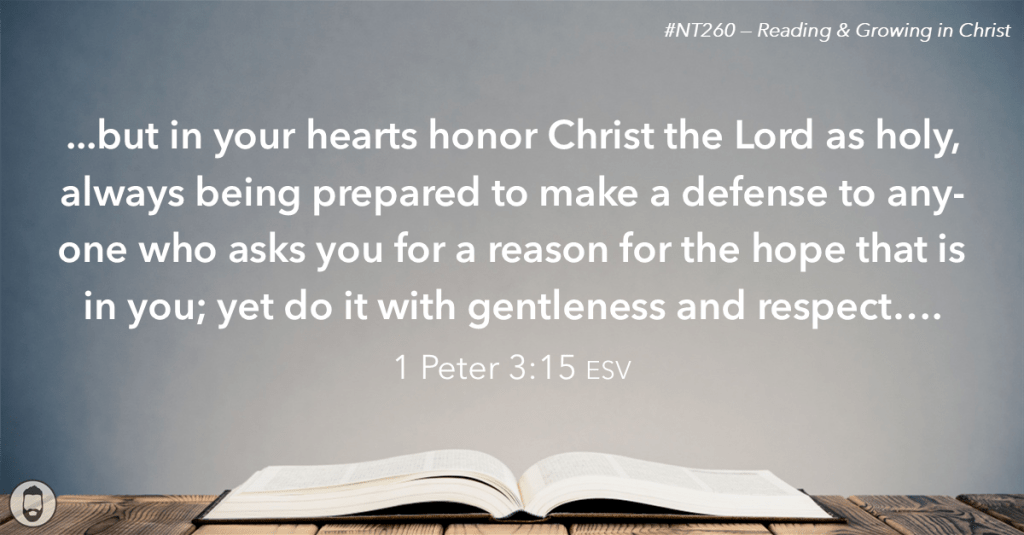
From the home, Peter widens to the whole church: unity of mind, sympathy, brotherly love, tender hearts, and humility—especially when suffering hits (v. 8). Instead of paying back insult for insult, believers are called to bless, because we ourselves were called by grace and will receive God’s blessing (v. 9). Peter roots this in Psalm 34: real “good days” aren’t found by winning every conflict, but by guarding the tongue, turning from evil, pursuing peace, and living under the attentive eyes and ears of the Lord (vv. 10–12; cf. Psalm 34:12–16). Even so, doing good doesn’t guarantee we won’t suffer. But if we suffer for righteousness, we are blessed—so we refuse fear, honor Christ as Lord in our hearts, and stay ready to explain the hope we have with gentleness and respect (vv. 13–16; cf. Isaiah 8:12–13). Peter’s logic is simple: it’s better to suffer for doing good (if God wills it) than to suffer for doing evil (v. 17).
Then Peter anchors everything in Jesus. Christ suffered once for sins—the righteous for the unrighteous—to bring us to God (v. 18). His unjust suffering was not defeat but the pathway to victory: resurrection, proclamation of triumph over evil powers, and ascension to God’s right hand where all authorities are subject to Him (vv. 18–22). Peter connects Noah’s day to baptism: just as God saved a small remnant through judgment, baptism points to salvation—not by washing dirt off the body, but as an appeal/pledge to God for a good conscience, grounded in the resurrection of Jesus Christ (vv. 20–21; cf. Titus 3:5, Ephesians 2:8). So when believers are slandered or pressured, we remember: the risen Jesus reigns, and our suffering will not be the final word (v. 22).
🌀 Reflection:
When you feel misunderstood or mistreated, what’s your “default response”—retaliation, fear, silence, or steady hope? Ask the Lord to make your life (and your words) a calm, clear witness that honors Christ as holy—even under pressure (vv. 9, 14–16).
💬 Mission Challenge:
Bless someone who has been sharp with you: pray for them by name, speak well of them where you normally wouldn’t, and look for one concrete way to do them good this week (vv. 9, 11; cf. Romans 12:17–21).
Continue reading in our NT260 plan in the rest of Phase 3 — Persevering in the Last Day.

 Just Keith Harris
1 Comment