
The Bible teaches us that it is good to meditate on God’s Word so that, as the Lord told Joshua, we “may be careful to do everything written in it” (Joshua 1:8). To meditate on it means that we are doing more than reading or comprehending it because we are dwelling on it, allowing it to stay on our minds and hearts throughout the day. This is a practice the Bible attributes to those who “delight” or “love” God’s Word and want the words of their mouths and meditation of their hearts to be pleasing in the sight of God (Psalm 1:2, 19:14, 119:97).
Meditation Monday is an opportunity for us to take a short passage of Scripture — no more than a few verses, consider what it means, and store it in our minds so that we think on it throughout the day and it make its way into our hearts and lives.
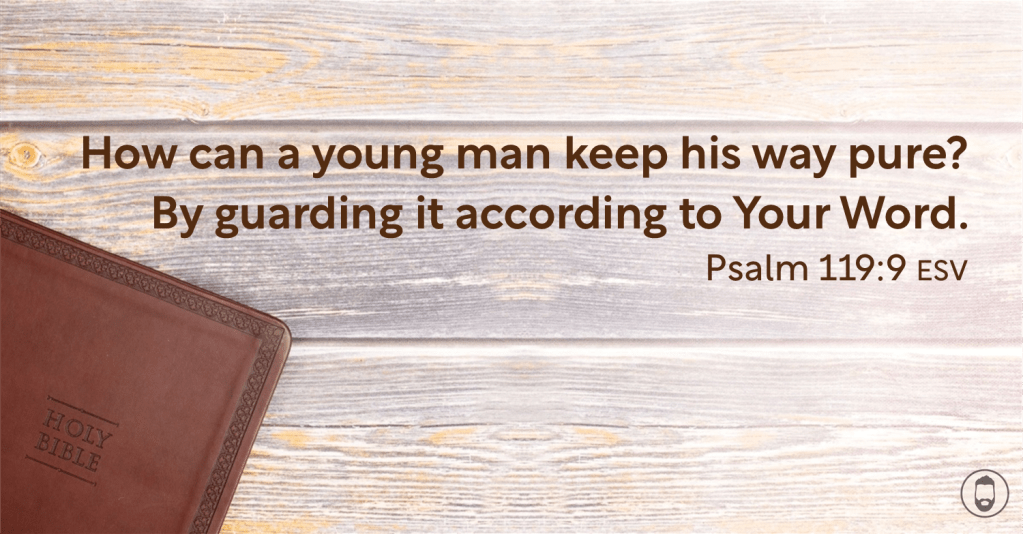
Here is today’s passage:
Meditation Monday began as a means to both redeem a hashtag fairly common in some social media circles (#meditationMonday) and take the opportunity to help people meditate on God’s Word. This is not the hmmmm meditation of Eastern religion but a specific spiritual discipline laid out in Scripture where we put God’s Word in focus and dwell on it — and it in us.
When it comes to meditating on the Word, Psalm 119 is a great place to go. It is 176 verses long and has 22 sections (one for each letter of the Hebrew alphabet). It is a very long poem of adoration and worship to God for giving His Word and providing His people with it. There are eight words the psalmist uses to talk about the Word of God: law, testimonies, ways, precepts, statutes, commandments, rules, and, of course, word. We are going to be spending a while on Mondays looking at some highlights from Psalm 119 to help train our minds and hearts to meditate on God’s Word.
Today’s verse is simple, involving a question and an answer. I find that simple, bite-sized chunks help me keep the passage on my mind. It sticks in my memory better, which is part of why we meditate on the Word. The question is very practical, how can a young person (not limited to men via the context) keep their way pure — or what can they do to live holy lives? The Psalmists answer is simple and is something worth remembering: guarding it according to the Word.
Sometimes people see God’s commandments or guidelines as oppressing them or keeping them from doing what they want or feel, but this verse gives us a better perspective. Just as the mother of a toddler is going to vigilantly keep objects out of their child’s mouth and deal with tantrums and tears because the baby cannot get their way, God’s Word shows us how the Creator — the inventor of human beings — designed life to work best. To carry on with the toddler metaphor, it means that God’s Word protects us from choking hazards and burns and falls and breaks — it keeps us from sin. It is a guardian guidebook to help us follow Christ.
- John 21 on 3/19 | NT260 — Reading & Growing in Christ
- John 20 on 3/18 | NT260 — Reading & Growing in Christ
- John 19 on 3/17 | NT260 — Reading & Growing in Christ
- John 18 on 3/16 | NT260 — Reading & Growing in Christ
- John 17 on 3/15 | NT260 — Reading & Growing in Christ

"Kept Through the Trial: Jesus's Letter to the Church at Philadelphia" (The KING is Coming) – Refresh & Restore | A JustKeithHarris.com Podcast
- "Kept Through the Trial: Jesus's Letter to the Church at Philadelphia" (The KING is Coming)
- Christ Has Come: The Promised King & His Gift of Love" (Advent 2025)
- Christ Has Come: The Promised King & His Gift of Peace (Advent 2025)
- Christ Has Come: The Promised King & His Gift of PEACE (Advent 2025)
- Christ Has Come: The Promised King & His Gift of HOPE (Advent 2025)

 Just Keith Harris